
SPECIAL CIRCUMSTANCES & PRODUCT LIMITATIONS
When investing in new glazing products, it’s important to understand that certain visual characteristics and performance variations are considered normal within the glazing industry and do not indicate a fault or manufacturing defect. Glass is a highly technical product manufactured to strict industry standards, however factors such as lighting conditions, viewing angles, reflections, natural movement, and environmental conditions can all influence how glazing products appear and perform once installed.
This section has been created to provide clear guidance on common special circumstances, product tolerances, and accepted industry limitations associated with glazing systems. The information is intended to help set realistic expectations and offer transparency around the natural characteristics of glass, frames, and associated materials used throughout the industry.
All products supplied by HBD Systems are manufactured in accordance with relevant British Standards and industry guidelines, ensuring they meet the required quality and performance criteria.
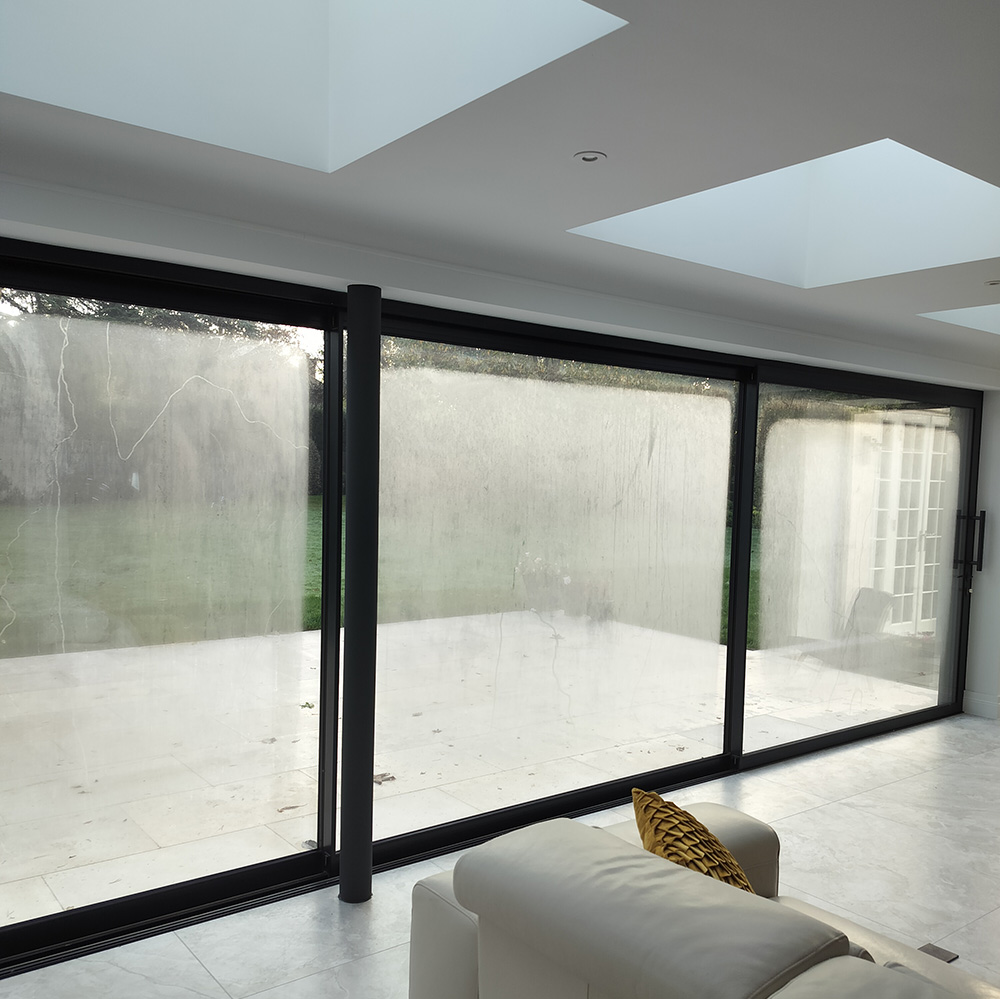
External condensation:
The government has set out strict guidelines on how efficiently newly installed windows and glass units need to be. The energy saving double glazed glass your windows and doors are made with consiste of two or three panes of glass seperated by gas or air. This layer and glass coating acts like a cosy blanket to stop the heat from escaping from your room to the outside.
The more efficient your windows, the warmer your home will be. In turn lowering your bills and helping the environment as you will be using less energy.
With these new units ensure less heat is lost through your windows – this means the outer pane of glass is cooler. When the surface if the glass is cold the air reacts with the cold temperature creating moisture on the outside of the glass.
This will naturally clear as the day warms up, and is nothing to worry about. Your glass is doing its job.

Internal condensation:
Having condensation on the inside of windows can not only be annoying but pool and cause damp patches or mold. This happens in a very similar way to when it is on the outside of your glass.
Water vapor is created within your home daily during tasks such as showring, drying clothes and even breathing. When this warm air meets your cold glass it turns into liquid, creating condensation.
The best way to deal with internal condensation is to ventilate your home well. Open your windows when you cook, shower or bath and when you are drying your laundry and make use of keeping your trickle vents open to avoid your rooms becoming humid. You can use a dehumidifier to reduce the humidity or help if you are frequently getting a build up of internal condensation.
It is unlikely that internal condensation means there is anything wrong with your glass.

Why don’t we have condensation on our other glass units?
If you have had some of your double glazing replaced but not all of it, then you may notice condensation on the new windows and not on the older ones. This will likely be due to the older units not being as energy efficient as the new glass units provided and either lack their energy saving gas or coatings.
You may find the older windows let heat out more quickly and therefore aren’t as effected by the difference between the warmth inside and the cold outside quite as well as the latest energy-saving glass units do.
If you find some of your windows are loosing more heat than others, it might be time to think about replacing these older windows too, to make your home more toasty warm.
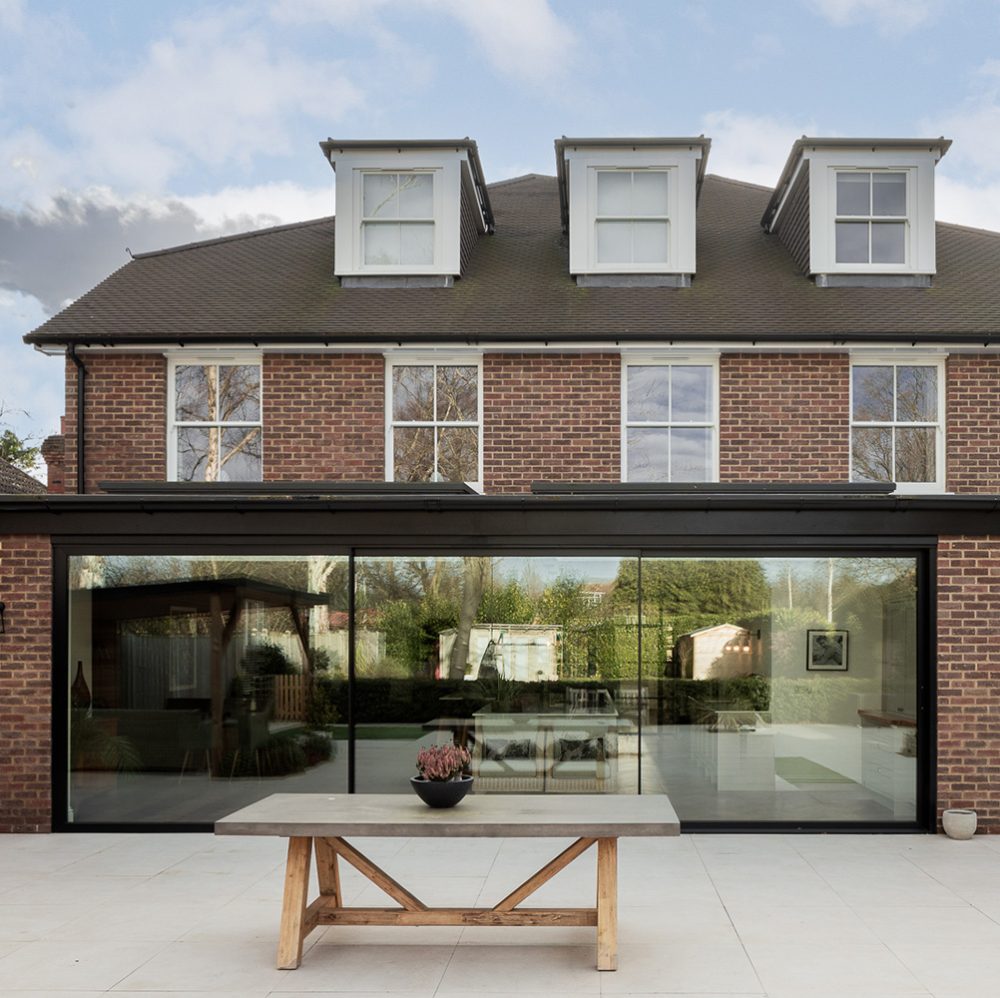
Glass Warranty and Liability:
HBD Systems offers a 1-Year Warranty on custom units and oversized glass units (generally those exceeding 2400mm in both width and height). This warranty is valid from the delivery date to site and covers the following:
- The reliability of the supplied material.
- The design and structural integrity of the installation.
- The resistance of the profiles to light and weather exposure.
- The durability of the applied colour coating.
Mechanical Handling:
Mechanical handling costs (e.g., cranes, lifting equipment) for the replacement of heavy or oversized glass units are not included in the warranty and will be charged to the client at cost
Spontaneous breakages:
The unexpected shattering of the glass without any apparent impact or external force which can occur months or years after installation can be due to Nickel Sulphide inclusion or thermal shock.
This is not covered under the manufacturers guarantee and clients will either need to make a claim on household insurance or pay for a new replacement unit
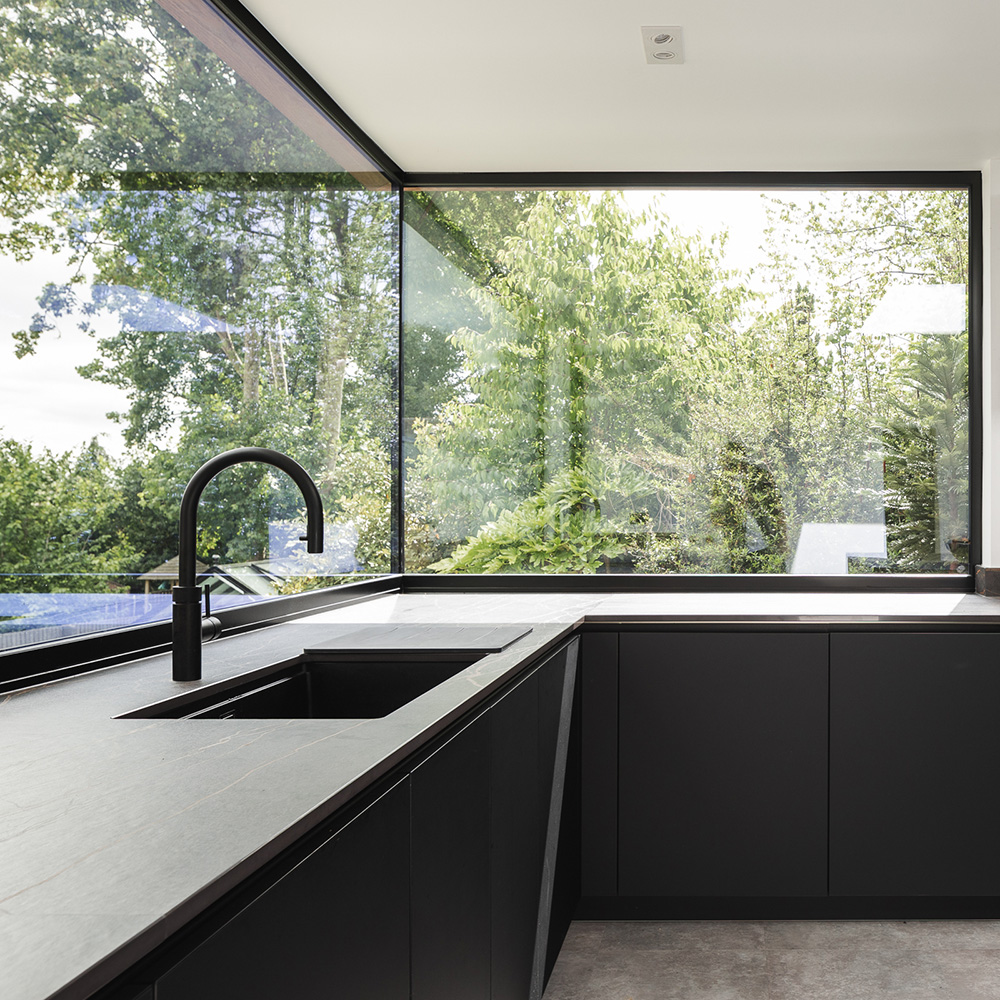
Client Advisory regarding bespoke and oversized glass:
Clients are advised to review their home insurance policy to ensure it covers the bespoke nature of these custom glass installations. This is important to ensure adequate coverage in case of damage, failure, or other issues. HBD Systems recommends that clients consult their insurer and make any necessary adjustments to their policy to account for the custom nature of these installations and avoid potential coverage gaps.
Liability:
HBD Systems will not be held liable for any consequential damages or loss, including any associated with the repair or replacement of these bespoke glass installations.
Any replacement or repair of custom/oversized glass units must be claimed through the client’s home insurance policy. HBD Systems will not be responsible for the submission or outcome of such claims.
We hope there is no use for this policy but as a duty of care to all of our clients we want to make our complaints procedure available.
Click here to read.
If there is any information you can not find on this page please visit our Frequently asked questions.
Alternatively please email admin@hbdsystems.co.uk or call 01727 845 600 and we will be more than happy to answer your questions.
Thank you!